There’s a certain melancholy that comes with pulling your boat out the water for the last time each fall. The season’s over, the days are getting shorter, and it’s time to think about winter. But before you tuck your boat away until spring, there’s an important process to go through: learning how to winterize your boat properly.
If you’re boating in Florida, you can skip this article entirely, lucky you. But anywhere temperatures drop below freezing and lakes ice over, winterizing isn’t optional. It’s the difference between a smooth, easy launch come spring and a rude awakening involving cracked engine blocks, corroded parts, and a much bigger repair bill than you bargain for.
The good news? Winterizing isn’t complicated. It just takes a little time, attention, and the right steps done in the right order. Think of it as putting your boat to bed for the season, both the boat itself and the engine need to be prepped for months of sitting unused. And here’s the golden rule to keep in mind throughout: the more thorough you are now, the less work and fewer surprises you’ll deal with when you’re ready to hit the water again.
Before you dive into any of the steps below, give your boat a once-over for damage. Catching a crack, a worn hose, or loose fitting now means you can get it repaired before winter sets in, rather than discovering it’s worsened into a bigger problem by spring.
Start Winterizing with a Deep Clean
A clean boat is a happy boat, and this stage is about more than appearances.
– Clear out all debris. Leaves, dirt, and clutter left onboard all winter can trap moisture and invite pest.
– Empty the sewage holding tanks. Leftover waste sitting for months is never a good idea, dump and rinse thoroughly.
– Clean every surface with a marine-safe cleaner. Upholstery, gunnels, floors – give it all a proper wash. This step matters even more if you boat in salt water, since salt residue left to sit can accelerate corrosion.
– Empty the bilge water. Standing water left in the bilge can freeze, and ice expanding around your bilge pump is a great way to damage it. Draining it now protects one of your boat’s hardest working components.
– Apply a coat of wax to the hull. While you’re at it, this is the perfect time to give the hull a protective layer of wax, shielding the finish through months of harsh weather.
Take Care of Fuel and Oil
Your engine needs just as much attention as the boat’s exterior, maybe even more.
– Add fuel stabilizer to a full tank. A full tank leaves less room for condensation to build up, and the stabilizer keeps the fuel from breaking down while it sits unused for months.
– Change the spark plugs and oil filters. Old oil and worn plugs left in an engine over winter can lead to a rougher start-up in spring. Fresh plugs and filters now mean your engine will be ready to run smoothly the moment you’re ready to go out again.
Water Systems: A Key Step in Winterizing Your Boat
This is one of the most critical steps in the entire process, and it’s where cutting corners can cost you the most.
Drain all engine cooling systems and drinking water systems as thoroughly as you can. Then fill each system with a non-toxic, propylene glycol-based “marine” antifreeze. This isn’t just a nice-to-have, it’s essential. Antifreeze keeps any residual water from freezing and expanding inside your engine, which can cause it to crack. It also helps prevent corrosion and other damage that can develop over the winter months.
One easy step to overlook: disconnect the hose from the water intake and drain any remaining water from the hose itself. A little water left in a hose can freeze and cause just as much trouble as water left in the engine.
Handle the Electrical System
Batteries don’t like being left in a cold boat all winter any more than you’d like to be left out in the cold yourself.
Disconnect the battery and store it somewhere cool and dry. This simple step protects the battery’s lifespan and ensure it’s ready to go rather than dead or damaged when you reconnect it in the spring.
Protect your Investment
Once everything inside and underneath is squared away, it’s time to think about what’s protecting your boat from the elements all winter long.
Shrink wrapping is one popular option, and it does offer solid protection. But it comes with its own hassle – you’ll need to transport your boat to get it wrapped, and then go through the process of cutting it all off again in the spring.
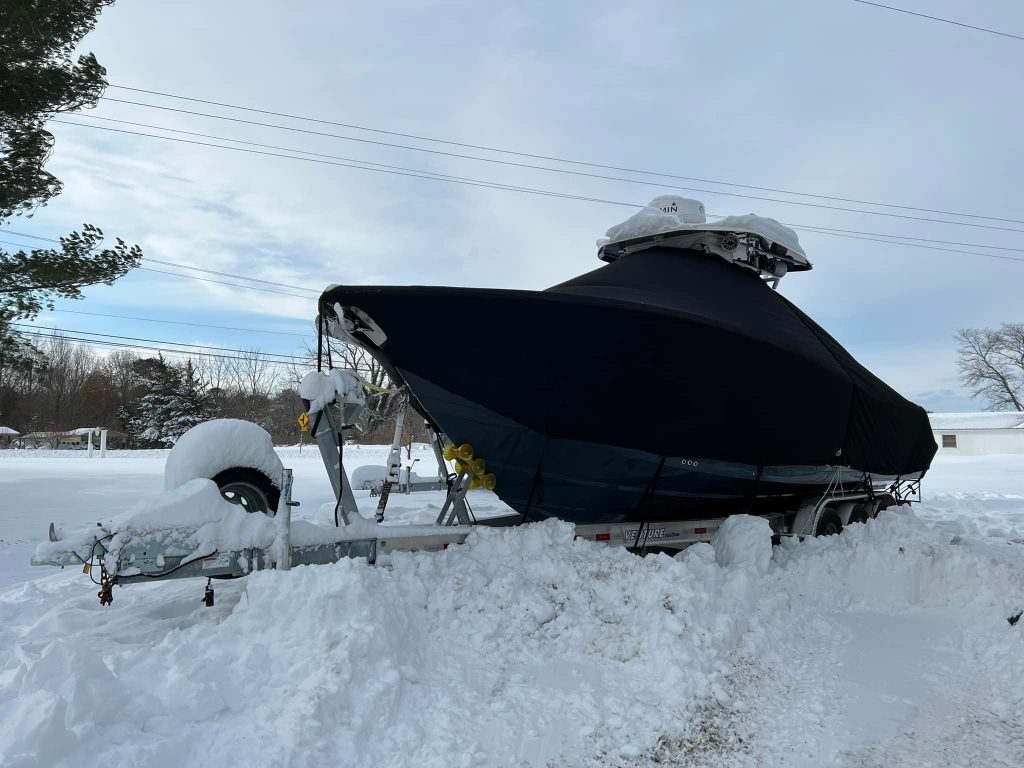
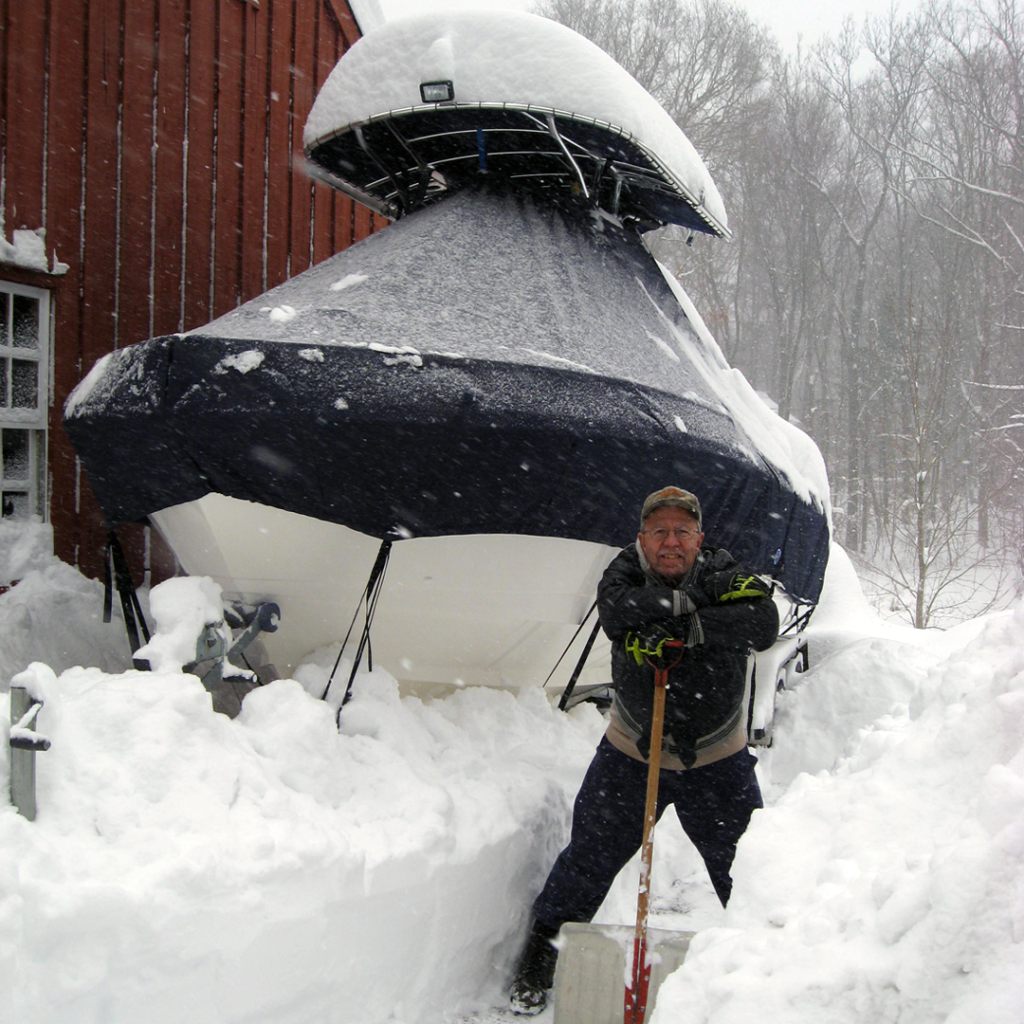
A quality custom cover, like a T-Top Boat Cover, offers a similar alternative. It provides reliable, weatherproof protection without the extra trip or the unwrapping process. If you do get snow where you are, just brush it off after a storm to keep the cover doing its job.
The Bottom Line
Winterizing your boat might feel like one more chore at the end of a long boating season, but it’s really an investment in your future self. Every hour you spend cleaning, draining, stabilizing, and covering now is an hour – or several – you won’t have to spend come spring dealing with corrosion, cracked engine parts, or a battery that won’t hold a charge.
Take the time to do it right, and when the ice melts and the water calls you back, your boat will be ready to answer. A little care today protects the investment you’ve made in your boat, and ensures many more seasons of smooth sailing ahead.
Shop LaPorte T-Top Boat Covers today and protect your investment this winter.


